
Creating Harmony: Achieving Aesthetically Pleasing Design
- Nov 22, 2025
- 3 min read
Creating a space that feels balanced, inviting, and visually satisfying is an art form. When done well, it transforms a room from merely functional to truly inspiring. Achieving this harmony involves understanding how different elements work together to create an environment that is both comfortable and beautiful. This guide explores key principles and practical tips to help you master appealing interior styles that resonate with your personal taste and lifestyle.
Understanding the Foundations of Appealing Interior Styles
Before diving into specific design choices, it’s essential to grasp the foundational elements that contribute to appealing interior styles. These include colour, texture, lighting, and layout. Each plays a crucial role in setting the tone and mood of a space.
Colour: Choose a palette that reflects the atmosphere you want to create. Soft neutrals promote calmness, while bold colours add energy.
Texture: Mixing textures like smooth wood, soft fabrics, and rough stone adds depth and interest.
Lighting: Natural light enhances colours and textures, while layered artificial lighting creates warmth and focus.
Layout: A well-thought-out layout ensures flow and functionality, making the space feel open and welcoming.
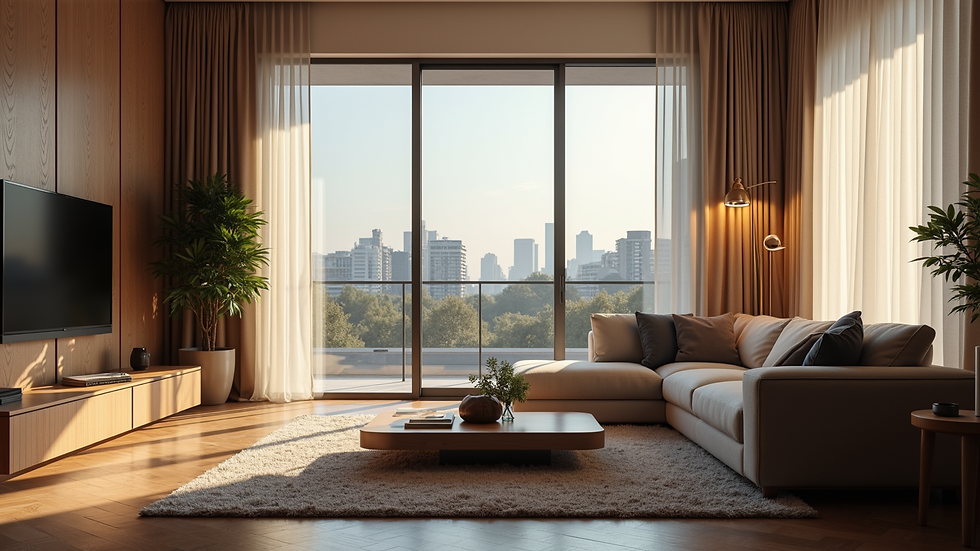
For example, a living room with a neutral colour scheme, plush cushions, and warm lighting can feel both elegant and cosy. Balancing these elements is key to crafting spaces that feel cohesive and intentional.

Exploring Popular Appealing Interior Styles
There are many interior styles that can be tailored to create appealing spaces. Understanding their characteristics helps you decide which suits your personality and home best.
Scandinavian Style
Known for its simplicity and functionality, Scandinavian design uses light colours, natural materials, and minimal clutter. It emphasises clean lines and practical furniture, making spaces feel airy and organised.
Industrial Style
This style embraces raw materials like exposed brick, metal, and wood. It often features open spaces and utilitarian objects, creating a rugged yet stylish atmosphere.
Bohemian Style
Bohemian interiors are vibrant and eclectic, mixing patterns, colours, and textures freely. This style encourages creativity and personal expression, often incorporating handmade or vintage items.
Modern Minimalist
Minimalism focuses on simplicity and essentialism. It uses monochromatic palettes, sleek furniture, and open spaces to create a calm and uncluttered environment.
Coastal Style
Inspired by the beach, coastal design uses light blues, whites, and natural fibres. It evokes a relaxed and breezy feel, perfect for creating a tranquil retreat.
Each style offers unique ways to achieve harmony in your home. You can also blend elements from different styles to create a personalised look that feels both fresh and timeless.

Practical Tips for Creating a Cohesive Space
Achieving harmony in your interior design requires more than just picking a style. Here are actionable recommendations to help you create a cohesive and appealing environment:
Start with a Mood Board
Collect images, fabric swatches, and colour samples that inspire you. This visual guide helps maintain consistency throughout your design process.
Balance Colours and Patterns
Use a dominant colour and complement it with accent shades. When mixing patterns, vary their scale to avoid visual chaos.
Layer Lighting
Combine ambient, task, and accent lighting to enhance functionality and mood. Dimmers are a great addition for flexibility.
Incorporate Natural Elements
Plants, wood, and stone bring warmth and life to interiors. They also improve air quality and wellbeing.
Choose Furniture Wisely
Opt for pieces that fit the scale of your room and serve multiple purposes if space is limited.
Declutter Regularly
A tidy space feels more open and inviting. Use smart storage solutions to keep belongings organised.
Add Personal Touches
Artwork, souvenirs, and family photos make your space unique and meaningful.
By following these steps, you can ensure that every element in your home contributes to a unified and appealing look.
The Role of Texture and Material in Design
Texture and material selection are often overlooked but are vital in creating a tactile and visual balance. Combining different textures adds dimension and prevents a space from feeling flat or monotonous.
Soft textures like velvet cushions or wool rugs add comfort.
Hard textures such as metal fixtures or glass surfaces bring contrast and modernity.
Natural materials like wood and stone introduce warmth and authenticity.
For example, pairing a smooth leather sofa with a chunky knit throw and a wooden coffee table creates a rich sensory experience. Experimenting with textures can elevate your design and make it more engaging.
Bringing It All Together: The Essence of Aesthetically Pleasing Design
Ultimately, the goal is to create a space that feels harmonious and reflects your style. Achieving an aesthetically pleasing design means balancing form and function, colour and texture, light and shadow. It’s about crafting an environment where every detail works in concert to create beauty and comfort.
Remember, design is a journey. Don’t be afraid to experiment, make adjustments, and evolve your space over time. With patience and creativity, you can transform any room into a sanctuary that delights the senses and nurtures the soul.



Comments